V061-PERU REALIDAD GUERRA CONTRA DELINCUENCIA
In Callao, the gritty port province adjoining Peru's capital Lima, Maykell Rodriguez stood with a friend behind a folding table piled with raw chickens, selling to passerby from a business already uprooted once by extortion.
Rodriguez, 45, said the sellers scattered from their previous location when demands for protection money became a problem. Even on their new corner, the women who welcomed them warned that young men might eventually arrive asking for money.
For the chicken seller and nighttime taxi drive, tha nature of crime itself has changed.
Just over 100 days after Fujimori took office promising a "frontal war" on crime, killings and extortion are testing a presidency built in part around restoring order. During the campaign, she invoked the security legacy of her father, former President Alberto Fujimori, comparing today's criminal gangs with the Shining Path insurgency his government fought in the 1990s.
The early numbers are uneven. Healthy Ministry records show homicides falling from 178 in August to 158 in September before rebounding 22% to 192 in October.
Extortion has proved more stubborn. Montly complaints have multiplied fivefold in five years, according to BBVA Research, with transport operators, shopkeepers and othe business particulary exposed. Government survey data show 1.5% of people on Peru's urban coast experienced extortion or attemped extortion in the six months through September, unchanged from a year earlier.
Fujimori has responded with arrests, weapons seizures, emergency measures and a joint police-military command.
A Datum Internacional poll showed that 68% of Peruvians surveyed said Fujimori's government had made no progress in reducing insecurity during its firts 100 days.
In Callao, the gulf between incremental progress and feeling safe is measured in everyday routines. Health Ministry data show homicides among residents jumped 41% from 137 in 2024 to 193 in 2025; 166 had been registered through Nov. 22 this year.
Around here, insecurity has worked its way into daily calculations: when to leave the house, whether to carry a cellphone, which bus to take.
Violeta Lopez, 39, sat beneath an awning with her daughter and toodler grandson outside her aunt's small shop, where pastries and desserts filled a glass display case.
"Before, you didn't see people walking around the stree with guns", she said. "Nowadays even very young people have guns. It's practically something normal now".
By late afternoon, the streets began to thin. Business shut for the day and doors of homes closed for the night.
Above the neighborhood stood a new and improbable landmark: a gleaming white, 14-meter (46-foot) monument to Pope Leo, its back toward the Pacific and its arms spread toward the city.
The pope's recent homecoming had briefly turned a global spotlight toward a part of Peru where residents were still waiting for more durable change.
DESCRIPCIÓN DE IMÁGENES
VIDEO SHOWS: DRONE FOOTAGE OF CALLAO / SOUNDBITES FROM CALLAO RESIDENTS / FOOTAGE OF POPE LEO STATUE
SHOWS: CALLAO, PERU (NOVEMBER 17, 2026) (REUTERS - Access all) (MUTE)
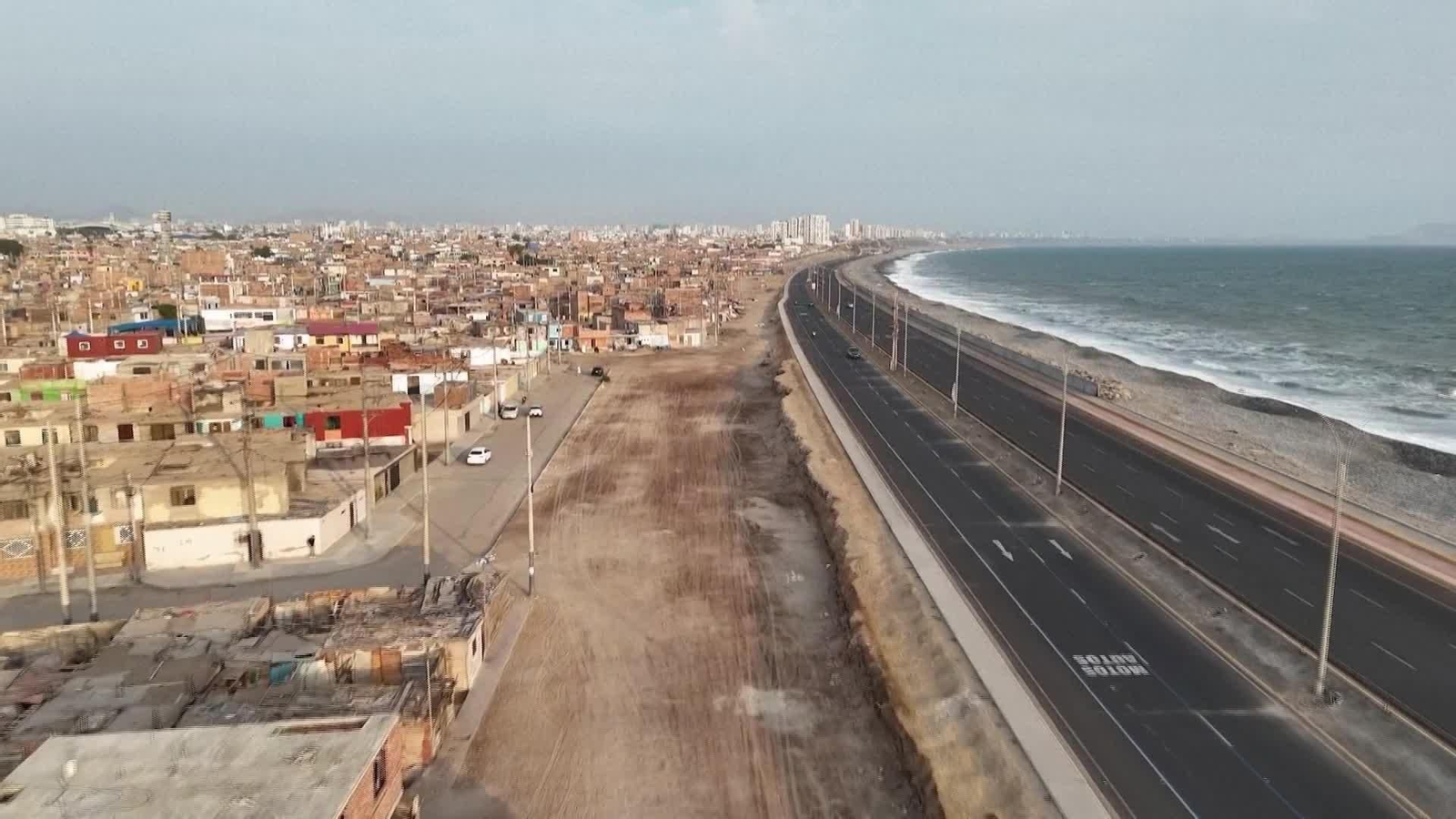
1. DRONE SHOT OF CITY AND PACIFIC COAST
2. VARIOUS DRONE SHOTS OF STREETS AND BUILDINGS
CALLAO, PERU (NOVEMBER 10, 2026) (REUTERS - Access all)
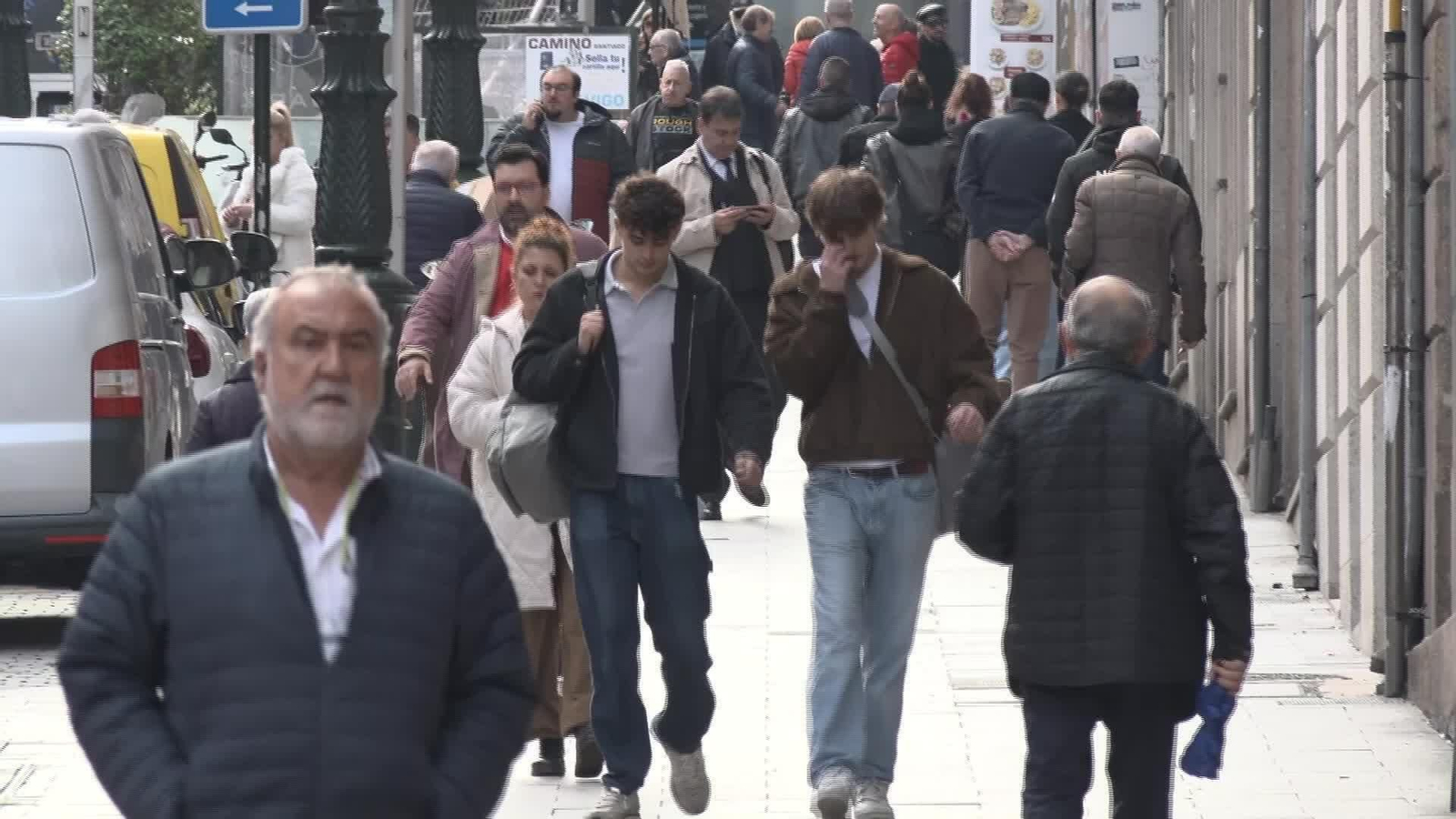
3. STREET WITH PEDESTRIANS AND VEHICLES
4. NEIGHBOURS GATHERED OUTSIDE SHOP
5. PUBLIC TRANSPORT VAN DRIVING ALONG CITY STREETS
6. MURAL
7. CHICKEN SELLERS WAITING FOR CUSTOMERS
8. KNIFE ON TABLE
9. (SOUNDBITE) (Spanish) CHICKEN SELLER AND TAXI DRIVER, MAYKELL RODRIGUEZ, SAYING:
"Of course, there is always a bit of fear, because even the ladies who have taken us in at this house, where we are on this corner, have told us that probably some kids are going to come to ask us for some money, for the fact that we are working here."
10. VARIOUS OF RODRIGUEZ SPEAKING WITH JOURNALIST
11. (SOUNDBITE) (Spanish) CHICKEN SELLER AND TAXI DRIVER, MAYKELL RODRIGUEZ, SAYING:
"Yes, in Callao the issue of extortion is quite active, the demand for protection money. You don't hear so much about hold-ups, because that was before. In the past you used to hear more about that issue of hold-ups, but now you hear more about the issue of extortion and the demand for protection money."
12. VARIOUS OF PUBLIC TRANSPORT VAN DRIVING ALONG CITY STREETS
13. (SOUNDBITE) (Spanish) RESIDENT, VIOLETA LOPEZ, SAYING:
"It wasn't like now. Now there is much more danger. Now you walk, and you're looking this way, looking that way. Or you put your mobile phone away, or you go out without a handbag; even without cash, without money, because they can do anything to you now."
14. VARIOUS OF LOPEZ SITTING NEXT TO HER FOOD STALL
15. (SOUNDBITE) (Spanish) RESIDENT, VIOLETA LOPEZ, SAYING:
"It wasn't common. Before, you didn't see people walking around the street with guns. Nowadays even very young people have guns. It's practically something normal now. There are more hold-ups, more robberies."
16. DOG IN FRONT OF SQUARE WITH PERUVIAN FLAG
17. POLICE PATROL DRIVING ALONG STREET
18. POLICE PATROL PARKED OUTSIDE BUILDING
19. BUILDING
20. (SOUNDBITE) (Spanish) CHICKEN SELLER AND TAXI DRIVER, MAYKELL RODRIGUEZ, SAYING:
"People in Callao are unique; they are very cheerful people, very fun, very sporty, but they also have their bad sides. Also, sometimes there is crime here, criminality, drugs, and these are bad things that should not exist. But in themselves these people are good-hearted and there is hope that they can change. That's what I feel."
21. WATER TANKER TRUCK PARKED IN FRONT OF STATUE OF POPE LEO
22. VARIOUS OF PEOPLE LOOKING AT POPE LEO STATUE
23. EXTERIOR OF POLICE STATION
24. WAVES HITTING COAST
CALLAO, PERU (NOVEMBER 17, 2026) (REUTERS - Access all) (MUTE)
25. DRONE SHOT OF POPE LEO STATUE
CALLAO, PERU (NOVEMBER 10, 2026) (REUTERS - Access all) (NIGHT SHOTS)
26. COASTAL AVENUE
27. VARIOUS OF STREETS AND VEHICLES