M098-SUIZA CRISIS HUMANITARIA
A deepening funding crisis could leave nearly 8.3 million refugees and forcibly displaced people without access to assistance this year, and push protection systems in some countries towards collapse, the United Nations refugee agency warned on Tuesday (September 29).
UNHCR is facing one of its worst-ever funding crises following aid cuts by the United States and other countries. It faces a $5.789 billion funding gap, according to a new report by the agency, after money available to the agency fell 24% between 2024 and 2025.
As of July, UNHCR had received only 32% of the $8.505 billion it required in 2026, while the number of forcibly displaced and stateless people globally remains near record levels.
UNHCR expects the population under its mandate to reach 131.2 million by year end, up from 129.4 million at the end of last year.
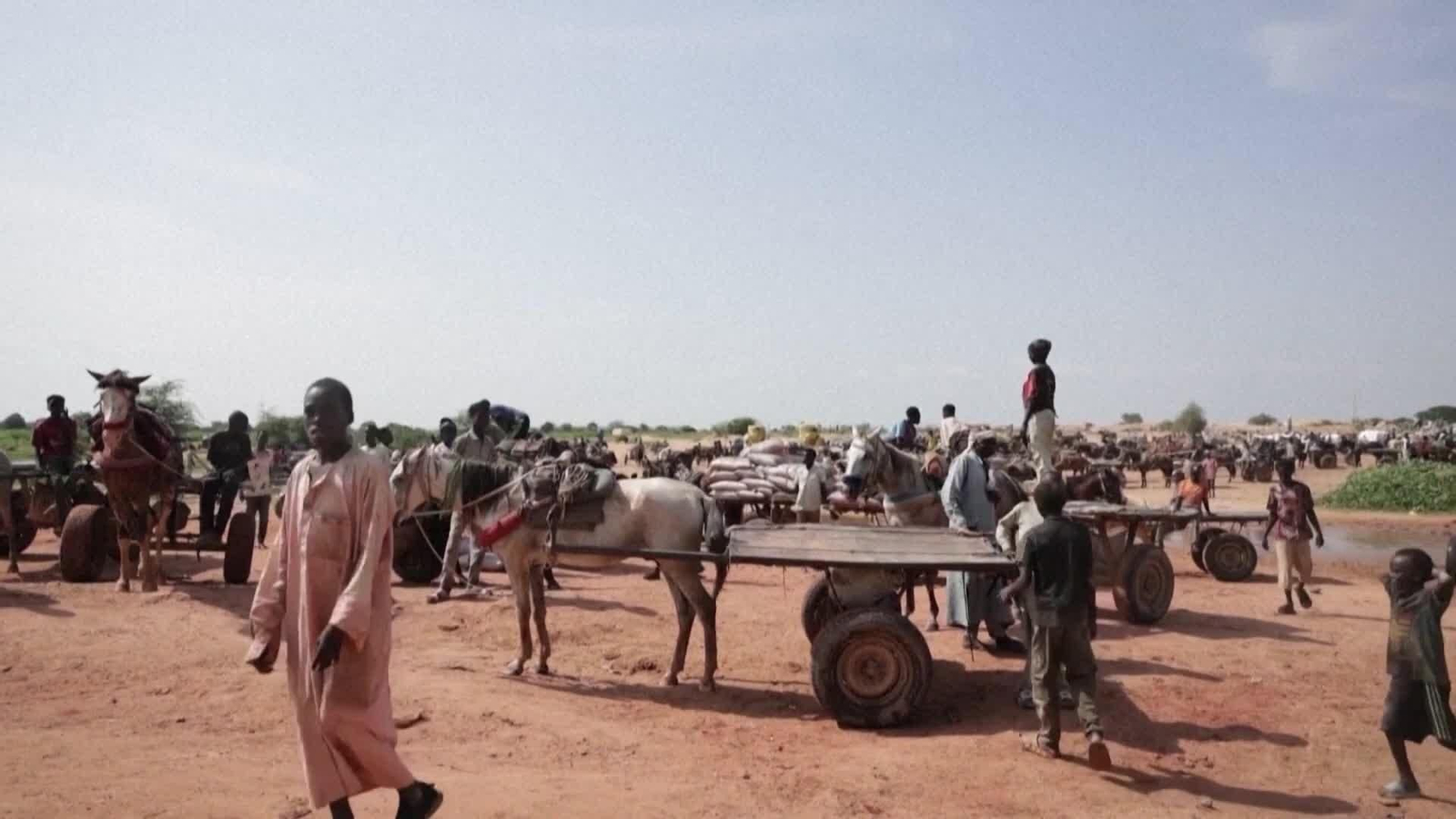
The report highlighted severe consequences in countries hosting large displaced populations. In Chad, where refugees have fled conflict in neighbouring Sudan, 319,000 people face registration delays while 200,000 women and girls could lose access to safe spaces and prevention programs.
“Behind those pages, we are talking about unimaginable suffering. I am referring to 8.3 million refugees, displaced persons, and stateless people whom we will be unable to help simply because we lack the funds," UNHCR director of external relations, Dominique Hyde told reporters in Geneva.
“This is not about doing less in a few places. These are wholesale, draconian cutbacks that will impact countless lives and not for the good,” she added.
In Sudan, which the UN considers the world’s worst displacement crisis due to the civil war that entered its fourth year in April, about 140,000 refugees and asylum-seekers remained unregistered by mid-year after registration activities were suspended for the first five months of 2026.
In Afghanistan, UNHCR grants given to people returning to the country have been slashed from $375 to $170 per person, while the country has received over one million people this year alone, due to forced or voluntary returns from neighboring countries including Iran and Pakistan.
UNHCR said that further cost-saving measures could not compensate for funding shortfalls, after having already cut its workforce by 33% in 2025, closed offices in 140 locations and discontinued operations in 15 countries compared with 2024.
The agency also said a growing share of donor funding is tightly earmarked, rising to 51% in 2026 from 19% five years earlier, limiting its ability to shift resources to the most urgent priorities.
UNHCR warned that reduced funding was gradually eroding the protection system, increasing the risk that refugees remain undocumented and that survivors of gender-based violence are left without the support they need.
DESCRIPCIÓN DE IMÁGENES
UN refugee agency warns funding crisis could leave 8.3 million without aid
VIDEO SHOWS: UNHCR OFFICIAL SAYING FUNDING CRISIS COULD LEAVE 8.3 MILLION PEOPLE WITHOUT AID / SUDANESE REFUGEES IN CHAD, DJIBOUTI AND ARCHIVE OF AFGHAN REFUGEES IN PAKISTAN
SENDING WITH COMPLETE SCRIPT
SHOWS: ADRE, CHAD (SEPTEMBER 2026) (UNHCR - Must on screen courtesy 'UNHCR')
1. VARIOUS OF PEOPLE WITH DONKEY CARTS WAITING AT ADRE ON CHAD-SUDAN BORDER
2. VARIOUS OF ADULTS AND CHILDREN OUTSIDE MAKESHIFT SHELTERS AT ADRE TRANSIT CENTRE
GENEVA, SWITZERLAND (SEPTEMBER 29, 2026) (UNTV - Access all)
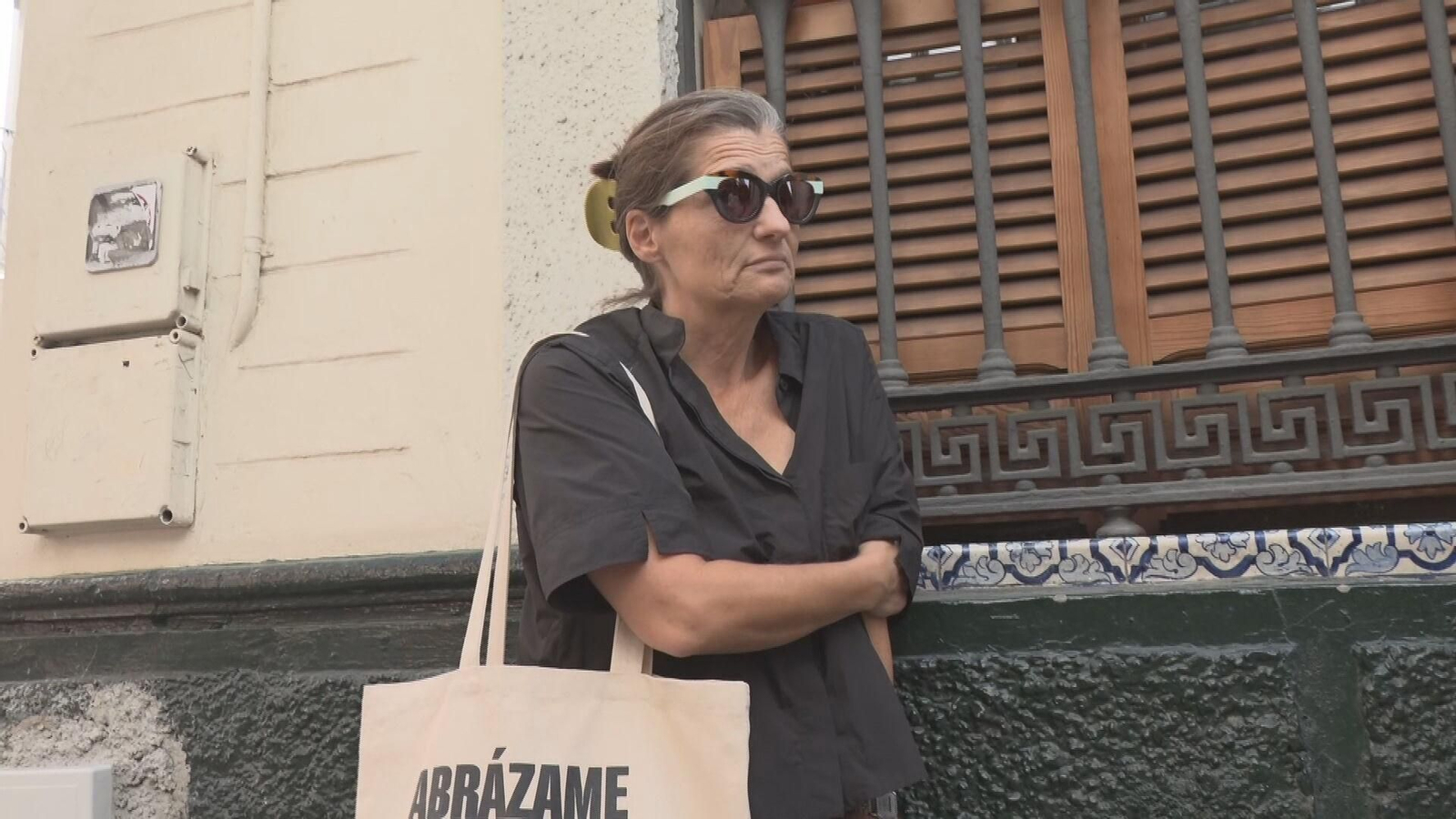
3. UNHCR DIRECTOR OF EXTERNAL RELATIONS, DOMINIQUE HYDE, ARRIVING AT PRESS CONFERENCE
4. (SOUNDBITE) (French) UNHCR DIRECTOR OF EXTERNAL RELATIONS, DOMINIQUE HYDE, SAYING:
“I’ll repeat, this report is more than just a report. Behind those pages, we are talking about unimaginable suffering. I am referring to 8.3 million refugees, displaced persons, and stateless people whom we will be unable to help simply because we lack the funds. And this affects not only the UNHCR, but also NGOs, UNICEF, the WFP, and the WHO, which we have just heard about. The impact is direct.”
5. PRESS BRIEFING IN PROGRESS
6. (SOUNDBITE) (English) UNHCR DIRECTOR OF EXTERNAL RELATIONS, DOMINIQUE HYDE, SAYING:
“This is not about doing less in a few places. These are wholesale, draconian cutbacks that will impact countless lives and not for the good.”
OBOCK, DJIBOUTI (SEPTEMBER 23, 2026) (VIDEO OBTAINED BY REUTERS - Access All)
7. (MUTE) AERIAL OF MARKAZI REFUGEE CAMP IN OBOCK
8. REFUGEES AROUND WATER POINT
9. REFUGEES TALKING TO VOLUNTEER
10. REFUGEE WOMAN AND HER FAMILY ENTERING HER HUT
GENEVA, SWITZERLAND (SEPTEMBER 29, 2026) (UNTV - Access all)
11. (SOUNDBITE) (English) UNHCR DIRECTOR OF EXTERNAL RELATIONS, DOMINIQUE HYDE, SAYING:
“We're extremely concerned by these funding cuts that are undermining the very programs that are intended to reduce people's reliance on humanitarian aid. In Chad, livelihoods, vocational training and business development opportunities are at risk for around close to 400,000 refugees and members of host communities. These programs, they matter because that humanitarian assistance was never intended to be permanent.”
12. PRESS BRIEFING IN PROGRESS
13. (SOUNDBITE) (English) UNHCR DIRECTOR OF EXTERNAL RELATIONS, DOMINIQUE HYDE, SAYING:
“Income fell from $5.2 billion in 2024 to $3.9 billion in 2025. And by the end of July of this year, we will have received only 32% of the funding required for 2026. We've undertaken significant reforms. We've reduced costs and prioritised the most critical activities. Last year, we cut our workforce by 33%, we closed 140 offices and generated $135 million in efficiencies. But prioritisation has limits, and we're facing another challenge. Increasingly, the funding that we're receiving is tightly earmarked.”
LANDI KOTAL, KHYBER PAKHTUNKHWA PROVINCE, PAKISTAN (ARCHIVE - APRIL 30, 2026) (REUTERS - Access all)
14. AFGHAN FAMILIES BRINGING POSSESSIONS TO CAMP IN HANDCARTS
15. VARIOUS OF GROUPS OF AFGHAN FAMILIES ARRIVING AT CAMP FOR REGISTRATION
GENEVA, SWITZERLAND (SEPTEMBER 29, 2026) (UNTV - Access all)
16. (SOUNDBITE) (English) UNHCR DIRECTOR OF EXTERNAL RELATIONS, DOMINIQUE HYDE, SAYING:
“But there is a threshold below which protection systems can no longer function. So we're asking governments, we're asking institutions, foundations, individuals to sustain your aid wherever, whenever possible, and extend your support. The consequences are already being felt by refugees, by displaced families every day. And without that additional support, millions will lose the protection and opportunities to keep them safe, to rebuild their lives. And ultimately move beyond humanitarian assistance towards dignity.”
17. HYDE LEAVING PODIUM