J006-EEUU FIRMA ALTO EL FUEGO
STORY: Israel and Lebanon agreed to implement a ceasefire to end hostilities, the Trump administration said on Wednesday (June 3), in a boost to hopes for a broader deal to end the U.S.-Israeli war on Iran.
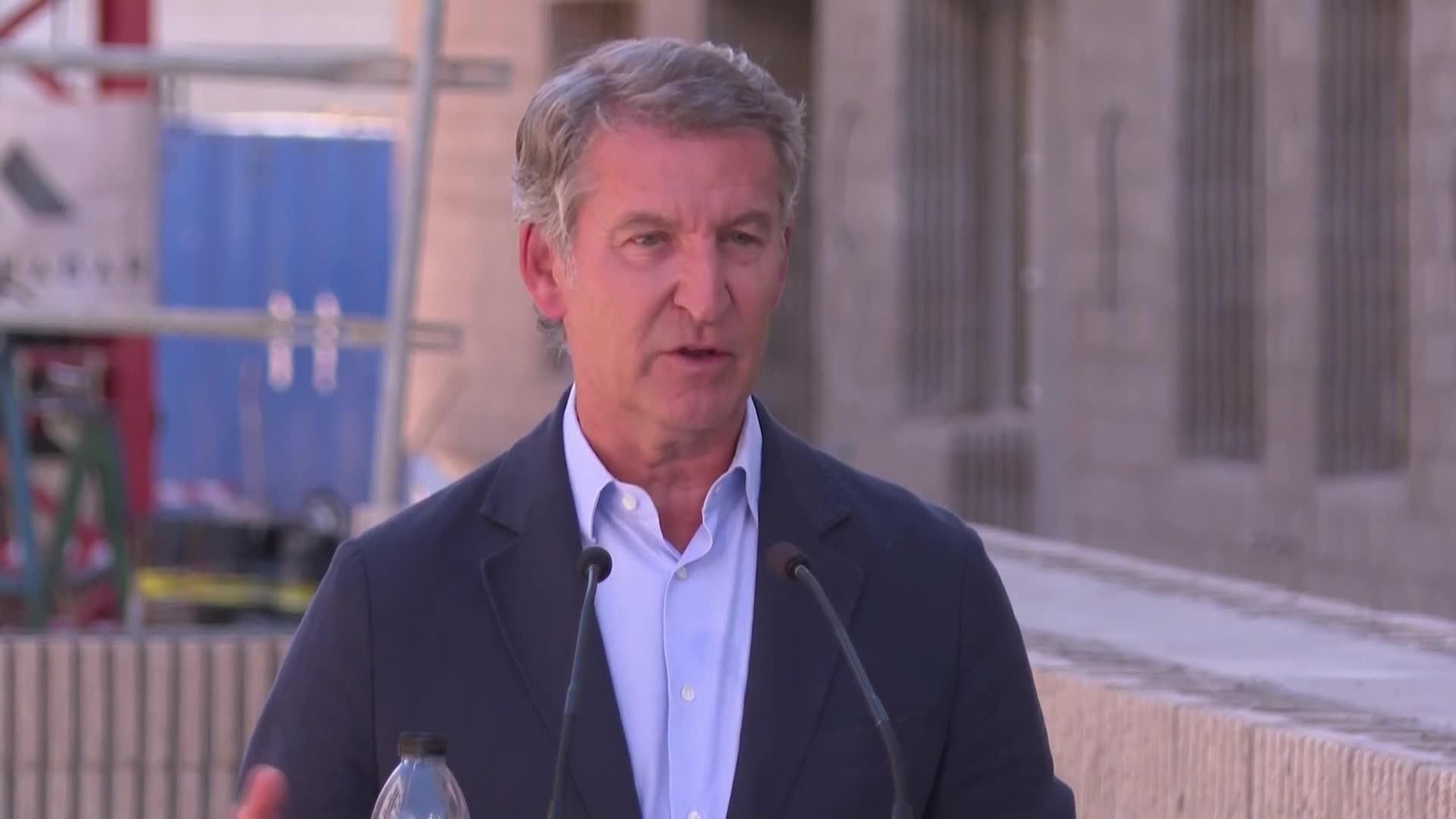
“The United States convened the fourth high-level trilateral meeting. As a result, Israel and Lebanon agreed to the implementation of a ceasefire,” State Department Chief of Staff Daniel Holler said during a meeting at the White House.
The ceasefire is contingent on a complete halt to attacks by the Iran-aligned Hezbollah group and the withdrawal of its fighters from the southern Litani area. Both sides also agreed to advance plans for zones where the Lebanese Armed Forces would take full control, excluding non-state actors.
Holler said the two countries had “no hostile intent toward one another” and committed to continuing U.S.-brokered negotiations toward a broader security and peace agreement.
The talks also focused on dismantling armed groups and preventing their re-emergence, while reaffirming support for the sovereignty of both countries.
The announcement comes after a previous ceasefire agreement last month failed to fully halt fighting, with Israel having launched an incursion into Lebanon earlier this year targeting Hezbollah.
DESCRIPCIÓN DE IMÁGENES
Lebanon and Israel agree to a ceasefire following negotiations in Washington
VIDEO SHOWS: ISRAELI REPRESENTATIVE READING LEBANON, U.S. AND ISRAEL STATEMENT TO REPORTERS
RESENDING WITH FULL SCRIPT
SHOWS: WASHINGTON, D.C., UNITED STATES (JUNE 3, 2026) (REUTERS - Access all)
1. (SOUNDBITE) (English) STATE DEPARTMENT CHIEF OF STAFF, DANIEL HOLLER, SAYING:
“The United States convened the fourth high-level trilateral meeting between Israeli and Lebanese representatives on June 2 and 3, 2026. As a result of the U.S.-led negotiations, Israel and Lebanon agreed to the implementation of a ceasefire. The ceasefire is contingent on a complete cessation of Hezbollah fire and the evacuation of all Hezbollah operatives from the South Litani sector. The two sides agreed, with the guidance of the United States, to swiftly advance the creation of pilot zones in which the Lebanese Armed Forces will take exclusive control of the territory to the exclusion of all non-state actors. These steps will enable progress towards a comprehensive peace and security agreement. All countries affirmed that the future of the relationship between Israel and Lebanon must be decided by the two sovereign governments. They rejected any attempt, by any state or non-state actor, to hold Lebanon’s future hostage. Israel and Lebanon reaffirmed that they have no hostile intent toward one another and committed to continuing direct negotiations to build confidence, resolve all outstanding issues, and work towards a comprehensive agreement between the two countries. The delegations discussed a security framework, building on discussions at the Pentagon on May 29, aimed at sustainably ensuring the sovereignty, security and territorial integrity of Lebanon and Israel. This includes the dismantlement of non-state armed groups, and the prevention of their re-emergence. All parties condemned Iran’s attacks on countries in the region, and ongoing activities that undermine stability throughout the Middle East, whether through support for proxies and all other acts of aggression. The United States reiterated its ongoing support for both governments to exercise their sovereignty. It reaffirmed that any agreement to cease hostilities must be reached directly between the two governments, brokered by the United States, and not through any separate track. The United States underscored its intent to support the Lebanese Armed Forces, with the aim of improving their capacity and enabling the effective exercise of sovereignty throughout Lebanese territory. It emphasized Secretary Rubio’s June 2 statement that Hezbollah is not just an enemy of Israel and an enemy of America, but that it is an enemy of Lebanon. Israel reaffirmed that its security and respect for its territorial integrity can only be achieved through the disarmament of Hezbollah and the dismantlement of its infrastructure throughout Lebanon. It emphasized the importance of direct negotiations under the leadership of the United States to resolve all outstanding issues and achieve durable peace and security. Lebanon reaffirmed the necessity for mutual respect of internationally recognized borders, the urgent need for full implementation of the cessation of hostilities, underscoring the principles of territorial integrity and full state sovereignty. Lebanon committed to enhancing the capacity of the Lebanese Armed Forces, with U.S. support, to assert effective control throughout the country. The two parties agreed to reconvene the political and security tracks the week of June 22, with a view toward reaching a comprehensive agreement. The United States agreed to continue facilitating communication between the parties in the interim.“